Common Types of Stone Used and How They’re Restored
People seeking stone restoration often want to restore and preserve surfaces made of common types of stone, and local service providers can help achieve durable, attractive results.
Understanding the common types of stone used in property features and how they’re restored is essential for property owners looking to preserve and enhance their investments. Whether it's a historic facade, a decorative fireplace, or outdoor paving, knowing the characteristics of different stones can help determine the best approach to maintenance and restoration. Local contractors experienced in stone restoration can assess the specific needs of each type, ensuring that repairs and cleaning methods are appropriate and effective. Exploring this topic can empower property owners to make informed decisions that protect their stone surfaces and maintain their property's aesthetic appeal.
For those considering restoration work, understanding the practical reasons behind choosing the right techniques and materials is key. Different stones respond uniquely to cleaning agents, repair methods, and environmental factors, making professional expertise invaluable. Local service providers who specialize in stone restoration can offer tailored solutions that address the unique challenges of each stone type, helping to extend its lifespan and preserve its beauty. Continuing to learn about common stones and their restoration options can lead to smarter property upkeep and a more durable, attractive property overall.
- Marble surfaces - homeowners noticing stains, scratches, or dullness can rely on local contractors to restore their marble to a polished finish.
- Granite countertops - when cracks or etching appear, local service providers can perform repairs and sealing to preserve the stone’s appearance.
- Limestone features - weathering or discoloration on limestone structures can be addressed by experts skilled in gentle cleaning and restoration techniques.
- foot traffic and spills may cause wear, prompting local pros to restore the natural look through cleaning, polishing, and sealing. - Slate surfaces - chipped or stained slate can be revitalized by local contractors using appropriate restoration methods to enhance its durability.
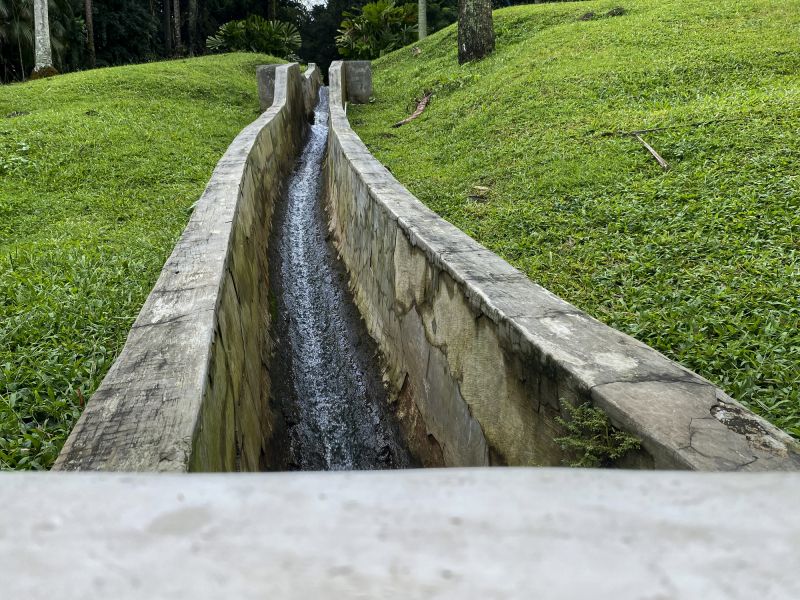
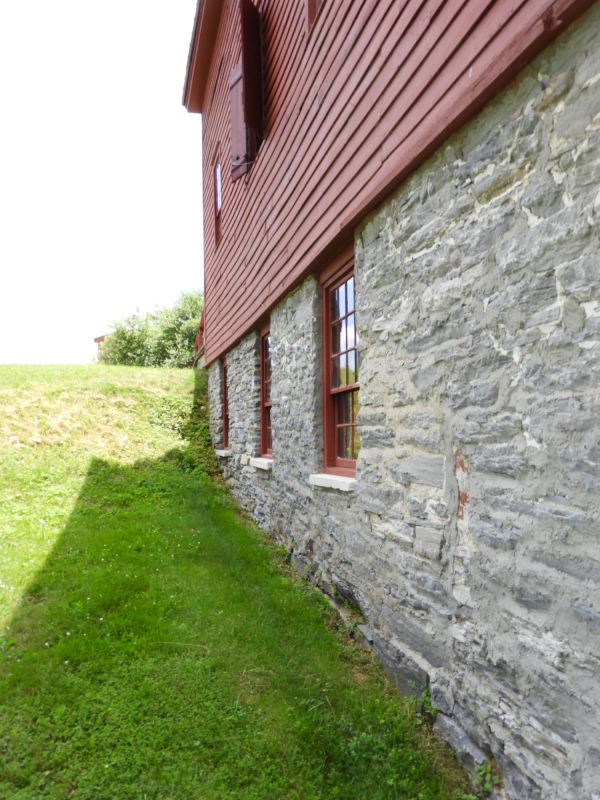
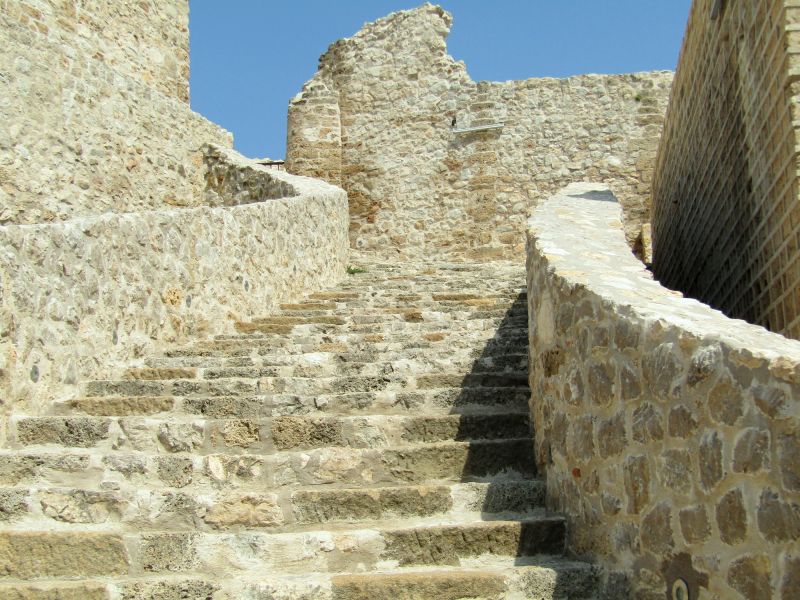
Understanding common types of stone used and how they’re restored is a key consideration for homeowners looking to maintain or improve the appearance of their property. When searching for this topic, most people are interested in learning about the different natural stones that are popular for surfaces such as patios, walkways, countertops, and facades. They often want to understand the unique characteristics of each stone type, including their durability, appearance, and typical issues that can arise over time. This knowledge helps homeowners plan for repairs or restorations that preserve the aesthetic appeal and structural integrity of their stone features.
The concept of restoring these stones usually relates to addressing common problems like surface wear, staining, cracking, or loss of shine. Many property owners consider restoration when their stone surfaces become dull, stained, chipped, or weathered due to exposure to the elements or regular use. Planning a restoration project often involves assessing the current condition of the stone, determining whether cleaning, sealing, or more extensive repairs are needed, and selecting appropriate techniques to restore the stone’s original appearance. Local service providers who specialize in stone restoration can evaluate these issues and recommend solutions that extend the life of the stone and improve its visual appeal.
Properties that frequently feature different types of stone include residential homes with stone facades, patios, and driveways, as well as commercial buildings with decorative stonework. Natural stones like granite, limestone, sandstone, marble, and slate are commonly used because of their aesthetic qualities and durability. Over time, these materials can develop surface stains, erosion, or structural damage that diminishes their look and function. Homeowners and property managers often seek restoration services to address these concerns, especially when preparing for events, renovations, or simply maintaining property value. Local contractors experienced in stone restoration understand the nuances of each material and can tailor their approach accordingly.
The role of local stone restoration service providers is to help property owners bring their stone surfaces back to life through specialized cleaning, repairs, and protective treatments. These pros are familiar with the specific needs of different stone types, whether it’s removing stains from marble, fixing cracks in limestone, or sealing sandstone to prevent future damage. They can evaluate the condition of the stone, recommend the most effective restoration techniques, and carry out the work with attention to preserving the natural beauty of each material. For homeowners planning to restore their stone features, connecting with experienced local contractors ensures the project is handled professionally and results in a durable, attractive finish that enhances the property's overall appearance.
Marble polishing projects - professionals experienced in restoring marble surfaces can improve appearance and durability, similar to work with other natural stones used in architectural and decorative applications.
Granite countertop restoration - local contractors skilled in granite repair and sealing can help preserve the stone’s integrity, paralleling techniques used in restoring other dense, durable stones.
Limestone cleaning and sealing - specialists familiar with limestone’s porosity and surface treatment methods can assist in restoring its appearance, akin to work on similar sedimentary stones.
Travertine repair services - service providers experienced in filling holes and polishing travertine can handle related restoration tasks for other calcareous stones.
Slate surface restoration - local pros with expertise in slate can perform cleaning and sealing, which shares skills with restoring other foliated or layered stones.
Sandstone preservation projects - contractors knowledgeable in cleaning and protecting sandstone can apply similar techniques used in restoring weathered or historic stone surfaces.
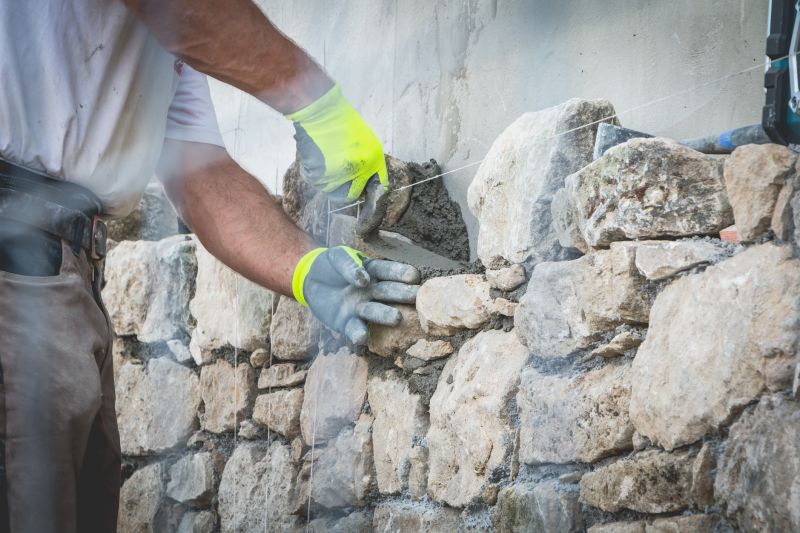
When evaluating service providers for stone restoration projects, it’s important to consider their experience with similar types of stone and restoration techniques. Homeowners should inquire about the types of projects the contractors have handled in the past, especially those involving common stones such as marble, granite, limestone, or slate. An experienced local contractor will understand the unique properties of each stone type and how best to restore their appearance and integrity, reducing the risk of damage or subpar results. This familiarity can also indicate their ability to recommend appropriate restoration methods tailored to the specific stone, ensuring a more effective and lasting outcome.
Clear, written expectations are essential when comparing local contractors for stone restoration services. Homeowners should seek detailed proposals that outline the scope of work, the methods to be used, and the materials involved. Having a transparent plan helps prevent misunderstandings and provides a benchmark to evaluate each contractor’s approach. It also allows homeowners to assess whether the service provider’s process aligns with their goals for the project and to ensure that everyone is on the same page before work begins. Well-documented expectations contribute to smoother communication and a more satisfactory restoration experience.
Reputable references and strong communication are key indicators of a reliable local contractor. Homeowners should ask for references from previous clients who had similar stone types and restoration needs, as this provides insight into the contractor’s ability to deliver quality results. Additionally, a contractor’s responsiveness and clarity in communication can reveal their professionalism and commitment to customer service. Good communication ensures that questions are answered, concerns are addressed, and the project progresses smoothly. These qualities help build confidence that the chosen service provider can effectively handle the complexities of stone restoration and meet the homeowner’s expectations.
Property owners often search for common types of stone used and how they’re restored when they are planning practical projects around their homes and businesses. Local pros provide Stone Restoration services for everyday jobs and straightforward project options.
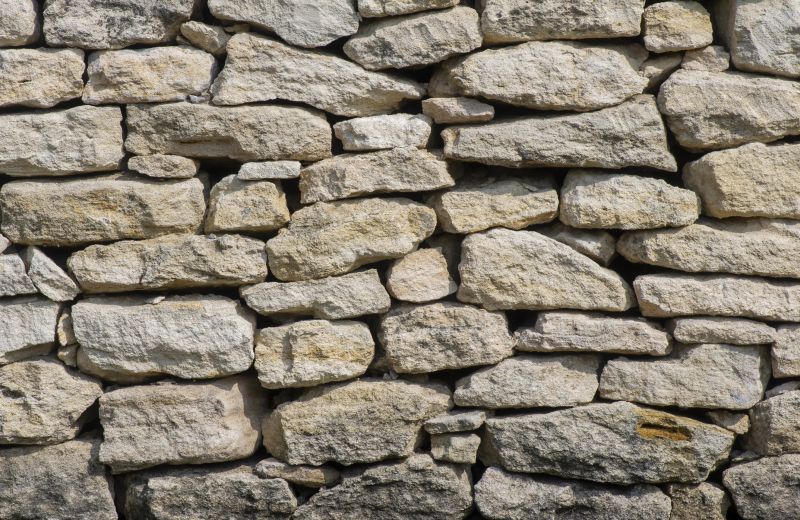
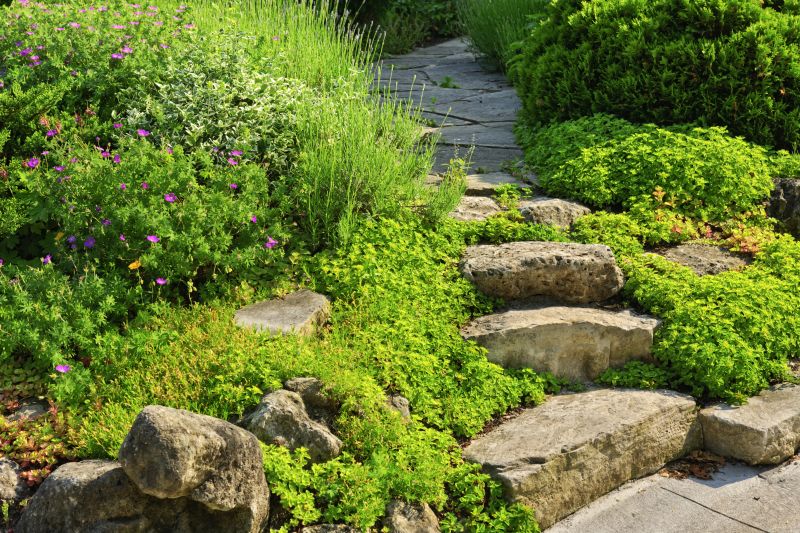
Many property owners in the area may notice that their stone surfaces, such as patios, walkways, or countertops, begin to show signs of wear over time. Common types of stone used in these applications include granite, marble, limestone, and sandstone, each with their own unique characteristics and restoration needs. When these surfaces become stained, chipped, or dulled, it’s often a practical choice to seek the expertise of local contractors who specialize in stone restoration. These professionals can assess the condition of the stone, recommend appropriate cleaning or repair methods, and restore its natural beauty with techniques suited to each stone type.
Restoring stone surfaces typically involves a combination of cleaning, polishing, and sometimes repairing or sealing to protect against future damage. Local service providers are experienced in handling a variety of restoration techniques tailored to the specific type of stone involved. Whether it’s removing stains from marble, re-polishing granite, or repairing cracks in limestone, these specialists have the tools and knowledge to bring back the original appearance of the stone. Property owners searching for straightforward solutions often find that working with local contractors ensures the work is done efficiently and effectively, helping their stone surfaces look their best for years to come.
What are some common types of stone used in flooring and surfaces? Common types of stone used include granite, marble, limestone, travertine, and slate. Local contractors experienced in stone restoration can assess these materials and recommend proper care and restoration methods.
How are different types of stone typically restored when they become stained or damaged? Restoration methods vary depending on the stone type but often involve cleaning, polishing, sealing, or repair techniques. Local service providers can determine the best approach based on the specific stone and its condition.
What techniques do professionals use to restore marble surfaces? Professionals often use specialized cleaning, polishing, and sealing techniques to restore marble. They may also perform repairs to address chips or cracks, ensuring the surface looks renewed and protected.
Can limestone or travertine be restored effectively if they are scratched or stained? Yes, limestone and travertine can be restored through cleaning, honing, and sealing processes. Experienced contractors know how to handle these softer stones to improve their appearance and durability.
Why should someone hire local stone restoration service providers for their specific stone type? Local pros have expertise with various stone materials and understand the best restoration methods for each. They can evaluate the condition of the stone and recommend effective solutions tailored to the material.
Identifying common stone types helps property owners choose the right restoration methods, ensuring durable and attractive results with help from local contractors.
Understanding restoration techniques allows homeowners to select appropriate repair options for materials like marble, limestone, or granite, with guidance from local pros.
Assessing damage and wear enables property owners to plan restoration projects that extend the life of their stone surfaces, utilizing local service providers' expertise.
Learning about preservation methods assists in maintaining the natural beauty of stone features, with local contractors offering tailored restoration solutions.
If you are thinking about common types of stone used and how they’re restored for a property, this guide is meant to help you understand this topic, the typical project types, and how different options might fit your plans.
When you are ready, you can use the quote form on this page to share a few details about your project. From there, local pros can review the basics and follow up with options that match what you have in mind.